
ISSCR News
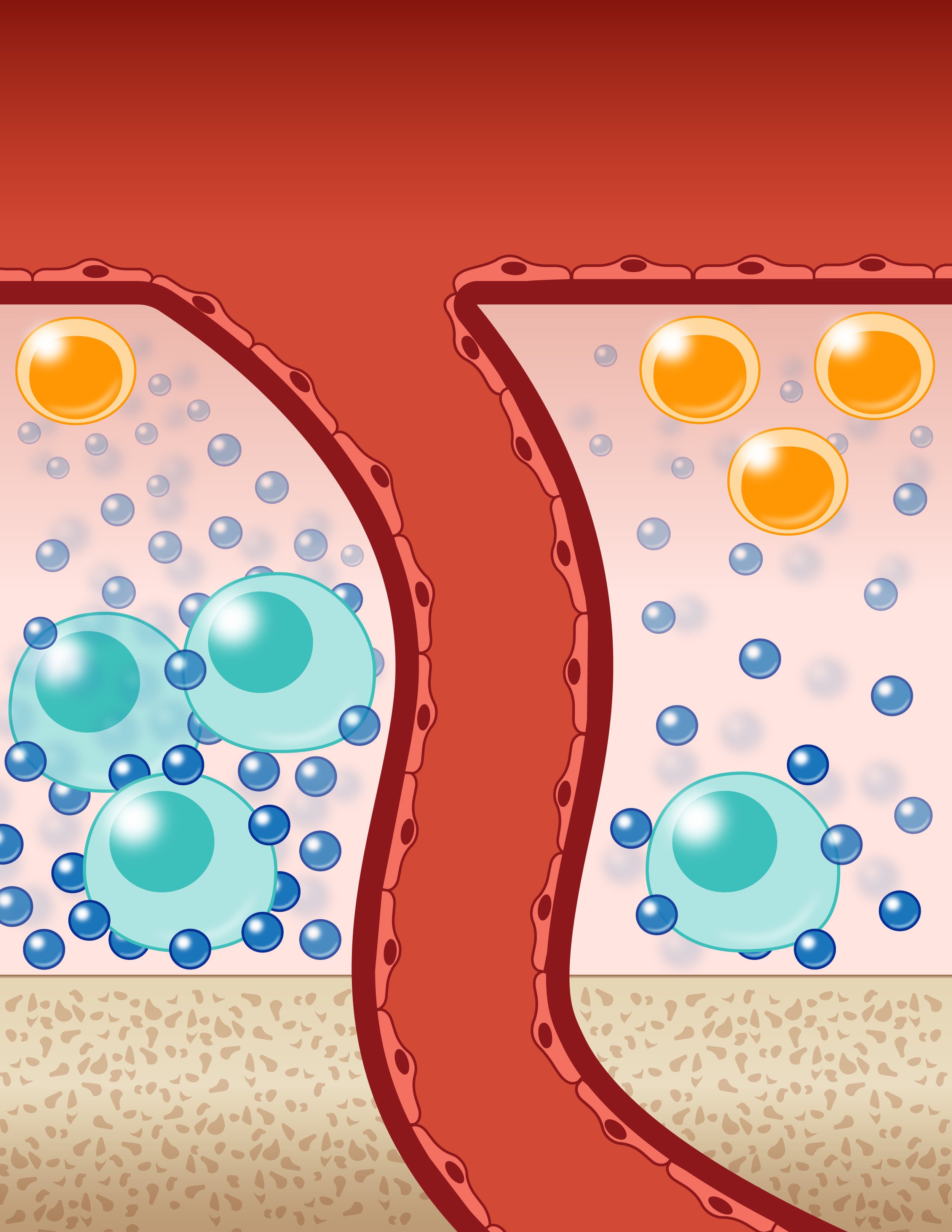
Stem Cell Reports Most Downloaded Papers of 2025 Highlight the Breadth and Impact of Stem Cell Research
The International Society for Stem Cell Research (ISSCR) today announced the 10 most downloaded papers of 2025 from Stem Cell Reports, its peer-reviewed, open-access journal. Together, these highly read articles reflect the extraordinary scientific range of the field – from foundational mechanisms of pluripotency and differentiation to translational advances in regenerative medicine, disease modeling, and bioethics – and underscore the journal’s role as a trusted platform for impactful stem cell science.

The ISSCR Joins Coalition Letter in Support of ARPA-H Funding
The ISSCR joined over 100 biomedical research organizations and institutions to urge congressional appropriators to provide at least $1.5 billion for the Advanced Research Projects Agency for Health (ARPA-H). ARPA-H supports high-risk, high-reward biomedical research projects and was established in 2022 to complement the role of the National Institutes of Health. This investment would enable ARPA-H to continue supporting stem cell research and regenerative medicine projects aimed at advancing stem cell research and accelerating clinical breakthroughs.
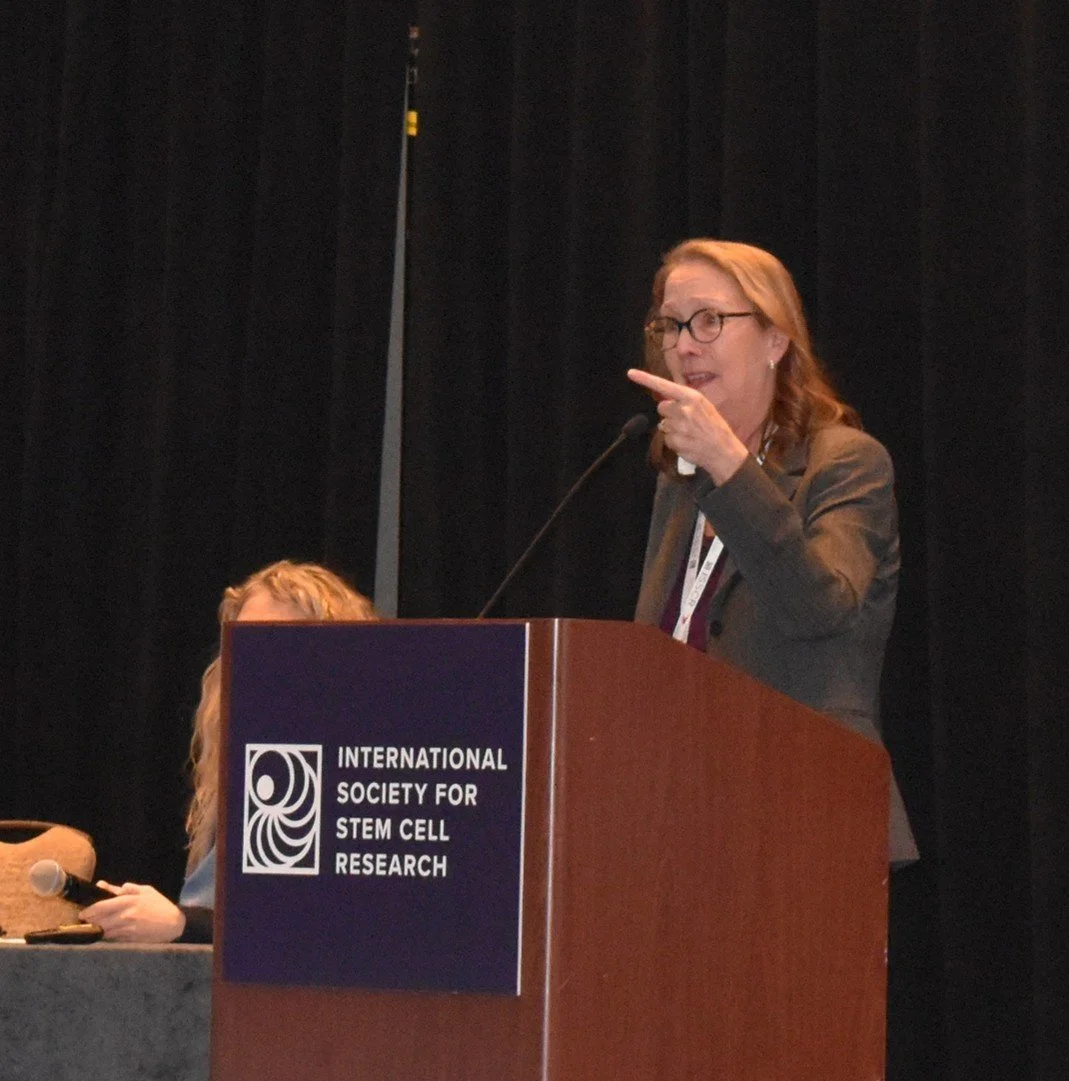
Researchers Identify 166 Human Pluripotent Stem Cell Lines Available for Use in Clinical Applications
To date, more than 100 clinical trials with human pluripotent stem cell (hPSC)-derived products have been initiated worldwide and an increasing number of potential hPSC-derived clinical products have entered early developmental pipelines. For off-the-shelf (allogeneic) products, the identification and selection of the right hPSC line early on during this process is of utmost importance as failure to do so may delay or completely stall product development. While developers acknowledge the importance of this issue, a comprehensive, accessible listing of globally available hPSC lines to inform cell line selection for clinical use has been elusive until now.
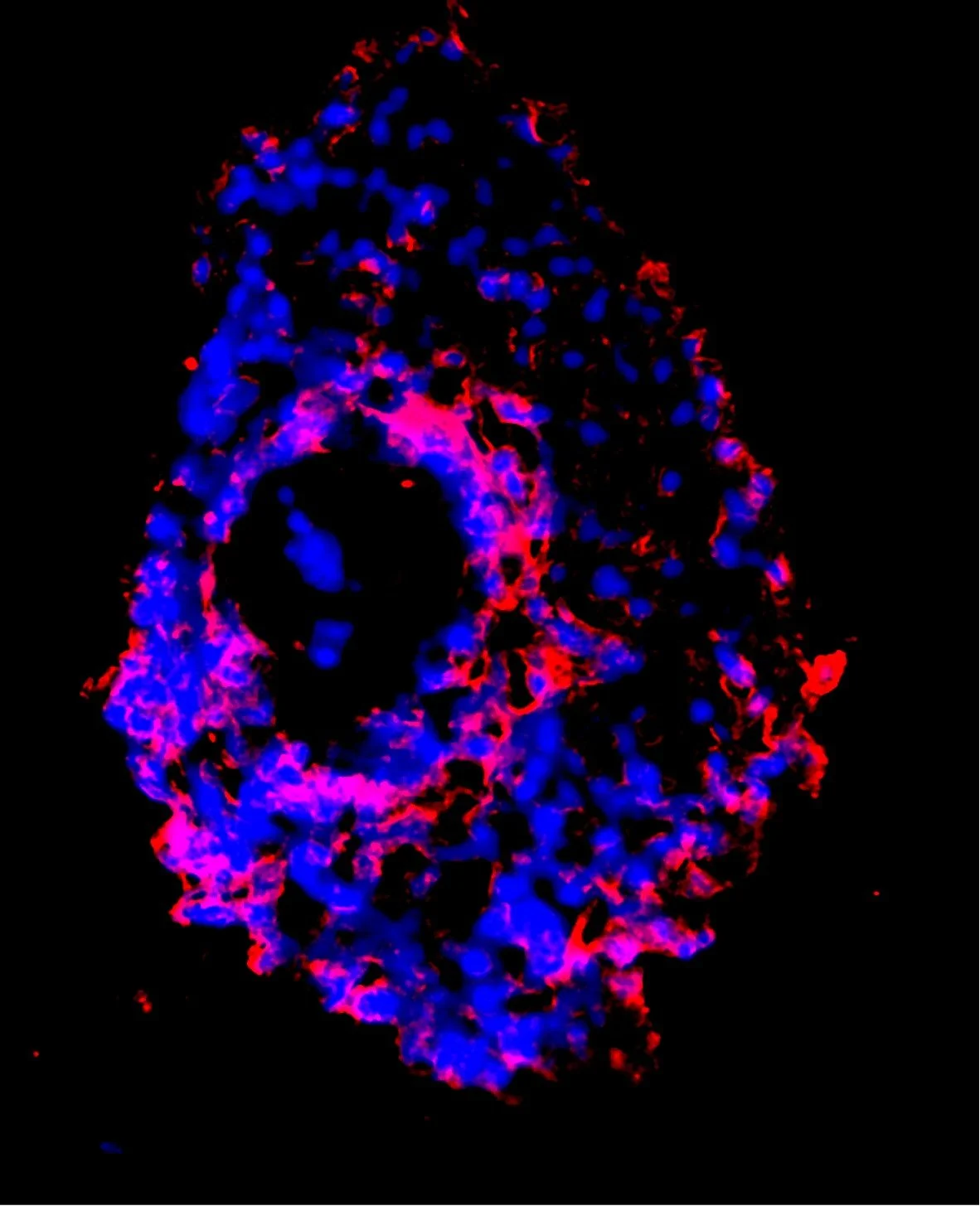
Insights Into Dry Eyes Gained from Stem cell-derived Tear Glands
An estimated 5-15% of people have problems with dry eyes, with symptoms including eye redness, stinging, or burning sensation, and eye fatigue. Dry eye disease (DED) occurs when the eyes’ tear glands produce insufficient or poor-quality tears which can be due to allergy or autoimmune disease, hormonal changes, aging, etc. When left untreated, DED can increase the risk of eye infections and abrasion damage to the ocular surface, which may impair vision.
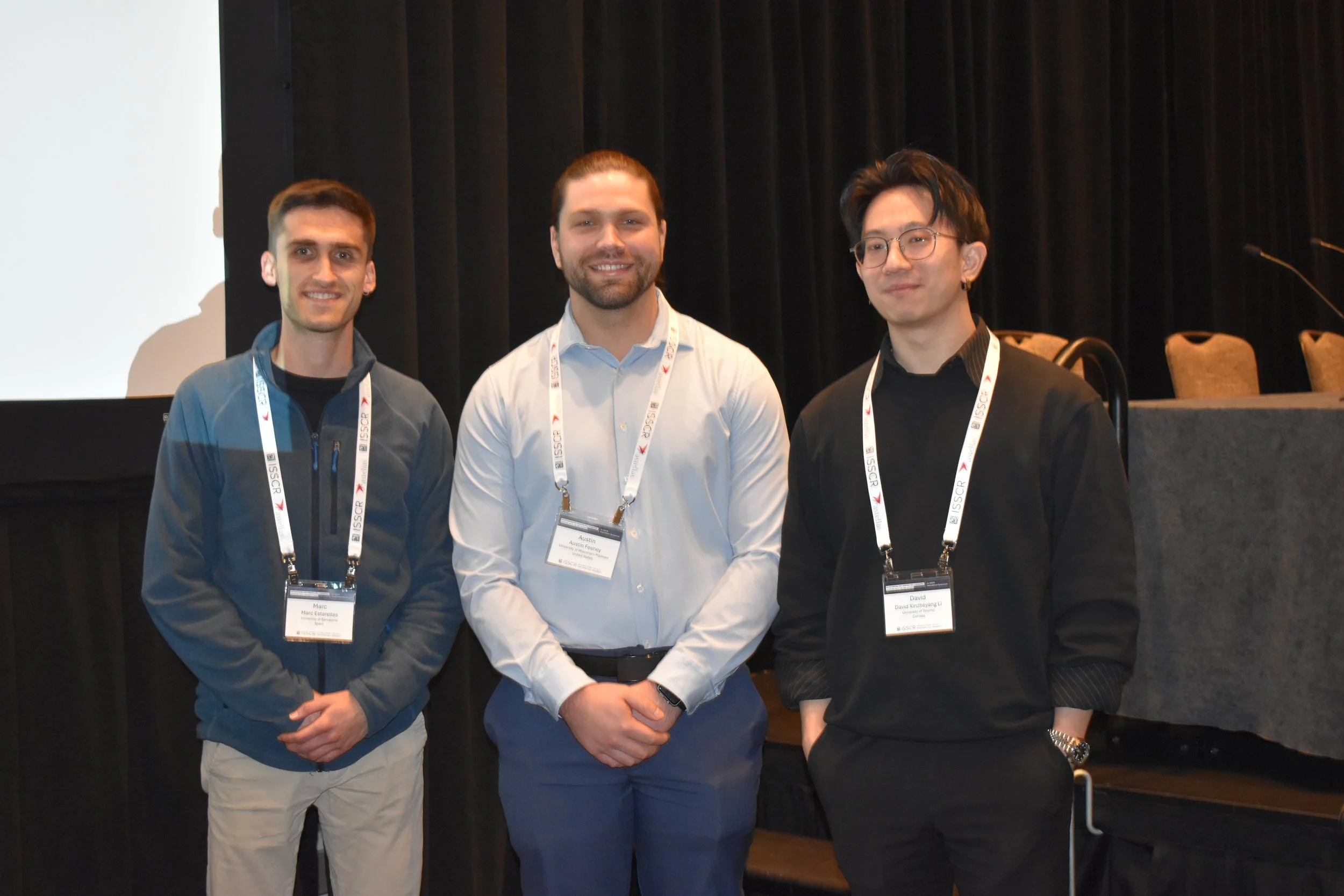
The ISSCR Announces Poster Award Winners from Accelerating PSC-Derived Cell Therapies: Starting with the End in Mind
Four early career scientists were recognized for their outstanding poster presentations at the ISSCR International Symposium held in Cambridge, USA 11-12 December 2025. The awards are sponsored by WiCell.
Receive ISSCR Press Releases
Sign up be a part of ISSCR’s media list. Media Contact: Kym Kilbourne, Director of Media and Strategic Communications
Subscribe to ISSCR News.
Each month, ISSCR delivers scientific, policy, and community to your inbox .